
Damper Manufacturers in Pune
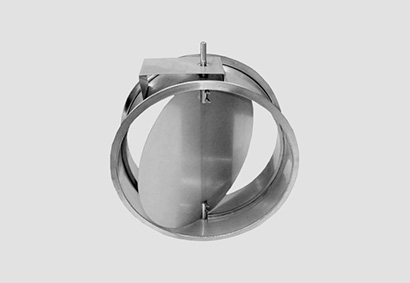


Synergy Global Engineering Pvt. Ltd. is leading Damper Manufacturers, Suppliers and Exporters in Pune. We offer engineered Dampers for regulating the controlled movement of air, gases, and bulk materials in industrial systems. We design and manufacture dependable damper solutions with attention to construction quality, operating conditions, application requirements, and cost-effectiveness.
Backed by more than 25 years of experience in material handling and process equipment, we understand the practical requirements of OEMs and process industries. Our engineering approach combines application-specific design, durable construction, and competitive pricing to deliver solutions suitable for different process environments and installation conditions.
We work with OEMs and industrial users by providing reliable products, practical engineering assistance, and responsive service. Along with standard products, we also develop customized Air Control Damper solutions according to specific airflow, gas-flow, isolation, and process-control requirements.
What Is a Damper and How Is It Used in Industrial Systems?
A damper is a mechanical arrangement used to regulate, restrict, redirect, or isolate the movement of air, gas, smoke, or bulk material within an industrial system. A Volume Control Damper is commonly used to control airflow and help maintain the required process conditions. Dampers are used across ventilation, material handling, combustion, process plants, exhaust arrangements, and dust-control systems where dependable flow regulation and isolation are required.
An industrial damper can be manufactured in different configurations depending on the operating environment, pressure, temperature, medium, installation arrangement, and required flow-control function. Depending on the application, the damper may be manually operated, automatically actuated, or integrated with a broader process-control system.
How Does a Damper Work?
A damper operates by changing the position of a blade, disc, or gate within a passage so that the movement of air, gas, smoke, or material can be regulated or stopped.
- Blade or Gate Movement: The damper blade or gate changes position inside the duct, chute, or passage, thereby modifying the available opening for the process medium.
- Flow Adjustment: A Flow Control Damper changes the effective opening to increase, decrease, or maintain the desired flow rate through the connected system.
- Operating Arrangement: Depending on the design, a lever, hand wheel, gearbox, shaft, or actuator moves the blade or gate to the required operating position.
- System Isolation: When the damper is brought to the closed position, it restricts the passage and separates one section of the process arrangement from another.
- Sealing Function: The closing element comes into contact with the frame or sealing surfaces to reduce unwanted leakage and improve isolation between connected sections.
- Pressure Regulation: Controlled adjustment of the opening assists in maintaining suitable pressure and airflow conditions throughout the duct or process system.
- Equipment Integration: Dampers may be fitted into ducts, chutes, hoppers, pipelines, exhaust arrangements, and other process equipment where controlled movement is required.
- Automatic Control: Where remote or repeated operation is necessary, an actuator can position the damper in response to control signals, process conditions, or predefined operating settings.
Types of Damper
As Damper Manufacturers in Pune, we provide different damper configurations developed for airflow management, process regulation, gas isolation, material handling, and controlled operation across multiple industrial applications.
- Flap Gate Dampers: These dampers use a hinged flap to control the flow of air, gas, or bulk materials in industrial systems. They are commonly used in hoppers, silos, chutes, and dust collection systems to regulate discharge and prevent unwanted backflow.
- Multi-Blade Control Dampers: These dampers incorporate several blades to provide controlled airflow regulation in rectangular ducts and process systems. Parallel or opposed blade arrangements can be selected according to the required control characteristics. Multi Louver Dampers are also suitable where multiple blades are required for airflow adjustment.
- Single-Blade Dampers: A single rotating blade provides a straightforward method of controlling or isolating airflow. These dampers can be configured for round, square, and rectangular duct arrangements and are suitable for a range of industrial operating conditions.
- Backdraft & Pressure Relief Dampers: Backdraft dampers restrict reverse airflow, while pressure relief dampers respond to excessive pressure by opening when the set operating condition is reached. Both configurations support stable and controlled system operation.
- Face & Bypass Dampers: Face and bypass arrangements are used to direct airflow through selected paths within a process system. They can be applied for hot gas diversion, exhaust arrangements, heat recovery systems, and other applications where flow routing is required.
- Inlet Vane Dampers: Inlet vane dampers regulate the air entering a fan by producing controlled pre-swirl before the air reaches the fan inlet. This arrangement can support suitable fan operation and help reduce unnecessary energy consumption.
- Volume Control Dampers (VCD): These dampers control the quantity of air passing through individual duct branches and are available with parallel or opposed blade arrangements. A Round Volume Control Damper can be selected for circular duct systems where controlled airflow adjustment is required.
- Balancing Dampers: Balancing dampers are normally adjusted during system commissioning to distribute airflow across connected branches. They help achieve the required air volume and pressure conditions throughout the duct network.
- Motorized Dampers: Motorized dampers incorporate electric or pneumatic actuation for remote and automatic adjustment. They are useful in systems where airflow must be changed according to operating conditions or process-control signals.
- Fire Dampers: Fire dampers are designed to respond to elevated temperatures and close when required. They help limit the passage of flames through ductwork and between protected sections of a building or system.
- Smoke Dampers: Smoke dampers are designed to close or reposition when smoke-management conditions require it. They help restrict smoke movement through duct systems and can be used in ventilation and smoke-control arrangements. Gas Damper/Smoke Damper combinations can be considered for suitable applications.
- Butterfly Dampers: Butterfly dampers use a rotating disc mounted around a central shaft to regulate or isolate airflow. Their compact construction makes them useful for round ducts and installations where available space is limited.
- Louver Dampers: Louver dampers consist of multiple interconnected blades that move to regulate or shut off airflow. They are commonly considered for larger openings and industrial systems requiring practical air-control arrangements.
- Guillotine Dampers: Guillotine Dampers use a sliding plate or blade to isolate an air or gas passage. They are particularly suitable where effective shut-off is required during maintenance, inspection, or equipment servicing.
- Manual Damper: A Manual Damper is operated directly through a hand lever, wheel, or similar mechanism. It offers a simple operating arrangement for systems where frequent automatic positioning is not necessary.
- Automated Damper: An Automated Damper uses an actuator and control signal to achieve opening, closing, or intermediate positioning. Actuator Dampers and Electrically Operated Dampers can be selected where remote, repeatable, and controlled operation is required.
Technical Specifications of Damper
As Damper Suppliers in Pune, we deliver damper configurations with suitable materials, operating arrangements, sealing systems, and performance characteristics for different industrial requirements. Depending on service conditions, customers can select a Mild Steel Damper or Stainless Steel Damper with appropriate construction and operating features.
| Specification | Details |
|---|---|
| Frame Construction | Welded or roll-formed frame in galvanized steel, stainless steel, or aluminium |
| Frame Thickness | Typically 1.2–2.0 mm, based on application |
| Blade Design | Single or double-skin airfoil/V-shaped blades for efficient airflow |
| Blade Arrangement | Parallel for isolation or opposed for precise flow control |
| Shaft & Axle | Heavy-duty steel or stainless-steel construction |
| Bearings | Self-lubricating or self-aligning bearings for smooth operation |
| Sealing | Flexible blade and side-jamb seals for low leakage |
| Operation | Manual, electric, or pneumatic |
| Actuation | Electric, pneumatic, or spring-return actuator options |
| Pressure Rating | Standard and heavy-duty configurations available |
| Temperature Rating | High-temperature designs available for demanding applications |
| Material Options | Mild steel, stainless steel, galvanized steel, or aluminum |
| Performance | Designed for reliable airflow regulation and isolation |
| Standards | AMCA, UL 555, UL 555S, where applicable |
| Customization | Size, blade, material, seal, and actuator options can be customized |
Key Features of Damper
As Damper Exporters in Pune, we provide engineered damper solutions that emphasize sturdy construction, dependable operation, controlled flow, and flexible configuration for different industrial applications.
- Sturdy Construction: Our dampers are manufactured using suitable materials and robust construction methods to support dependable service in demanding industrial environments.
- Controlled Flow Regulation: Damper configurations are designed to regulate the movement of air and gases and help maintain the required process conditions.
- Multiple Operating Options: Manual, electric, pneumatic, and actuator-operated arrangements provide flexibility according to the control requirements of individual systems.
- Leakage Reduction: Appropriate blade and frame sealing arrangements help reduce unwanted leakage and support improved operating efficiency in connected duct and process systems.
- Customized Engineering: Dimensions, materials, blade configuration, seals, shafts, and operating mechanisms can be selected or modified to suit individual project and application requirements.
Benefits of Damper
As Damper Manufacturers in Pune, we develop damper solutions that assist with airflow regulation, process isolation, equipment integration, and dependable operation across industrial systems.
- Controlled Air Movement: An Air Control Damper helps regulate the quantity and direction of air moving through a system. An Airflow Control Damper can be configured to meet particular airflow adjustment and balancing requirements.
- Effective Isolation: Properly selected dampers can separate sections of ductwork, equipment, process lines, and other connected systems when isolation is required for operation or maintenance.
- Better Energy Management: Regulated airflow can reduce unnecessary movement of air and help connected ventilation or process systems operate according to the required conditions.
- Convenient Integration: Dampers are available in configurations suitable for ducts, exhaust systems, chutes, process equipment, and other industrial installations.
- Dependable Service: Appropriate material selection, construction, sealing, and operating mechanisms contribute to reliable performance under demanding industrial conditions.
Applications of Damper
As Damper Suppliers in Pune, we offer application-focused damper solutions for HVAC, power generation, cement, steel, chemical processing, mining, wastewater treatment, material handling, and pollution-control systems.
- HVAC Systems: Dampers regulate, balance, and redirect airflow within duct networks, helping maintain the required air volume and pressure in ventilation systems.
- Cement Plants: Industrial dampers are used to control air and gas movement in kilns, dust-collection equipment, material handling systems, exhaust arrangements, and process lines.
- Power Plants: Damper arrangements support the management of combustion air, exhaust gases, ventilation, and other airflow requirements associated with power-generation equipment.
- Steel Industries: Heavy-duty dampers can be applied for controlling air and gas flow in furnaces, exhaust systems, process ducts, and high-temperature industrial applications.
- Chemical Plants: Dampers assist with airflow regulation and gas isolation in process equipment and ducting exposed to demanding chemical and operating conditions.
- Mining & Material Handling: Gate Damper arrangements can regulate or isolate material movement in chutes, hoppers, and conveying systems. Flap Gate Damper solutions can also be used where controlled material discharge, diversion, or isolation is required.
- Wastewater Treatment: Suitable damper designs can support ventilation, air distribution, and airflow-management requirements within treatment plants and associated air-handling systems.
- Pollution Control Systems: Dampers assist in managing exhaust gases and airflow through scrubbers, dust collectors, emission-control systems, and related process equipment. Flap Gate Damper Valves and fabricated damper valves can be developed with suitable construction for specific gas and material-handling conditions.
Why Choose Us?
- Engineering Capability: We apply practical engineering knowledge and application-oriented design methods to develop damper solutions suited to different industrial operating environments.
- Quality & Customization: Our focus is on dependable construction and customized Duct Dampers that correspond to required dimensions, materials, operating arrangements, and process conditions.
- Practical Value: We aim to provide technically appropriate products with competitive pricing and responsive assistance, helping customers meet their flow-control and process-equipment requirements effectively.
Synergy Global Engineering Pvt. Ltd. is trusted Damper Manufacturers, Suppliers and Exporters in Pune. We deliver engineered damper solutions offering sturdy construction, accurate flow regulation, and consistent performance. From conventional needs to specially developed industrial applications, our approach emphasizes quality, engineering expertise, and economical solutions that support efficient process control, effective airflow regulation, and lasting system operation. Contact us today to learn more.
FAQ’s
The selection depends on the medium being handled, required flow rate, pressure, temperature, duct or equipment dimensions, isolation requirements, material compatibility, and operating method. A suitable damper configuration can then be selected according to the specific process conditions.
A damper gate can be used to regulate, divert, or isolate the movement of bulk material, air, or gas. Depending on the equipment arrangement, Gate Damper and Flap Gate Damper configurations can provide controlled discharge or effective isolation.
A Manual Damper is generally suitable when adjustment is occasional and local operation is acceptable. Automated Damper arrangements are more suitable when remote positioning, frequent adjustment, or integration with a control system is required.
The basic operating principle may be similar, but the construction, sealing, materials, temperature rating, pressure rating, and actuation should be selected according to the actual medium and operating conditions. An appropriate Air Damper or gas-handling configuration can therefore be engineered for the application.
Yes. Duct Dampers can be customized according to dimensions, blade arrangement, material, sealing requirements, shaft construction, operating mechanism, actuator type, pressure, temperature, and installation conditions. A suitable damper valve configuration can also be considered where the process requires controlled isolation or flow management.